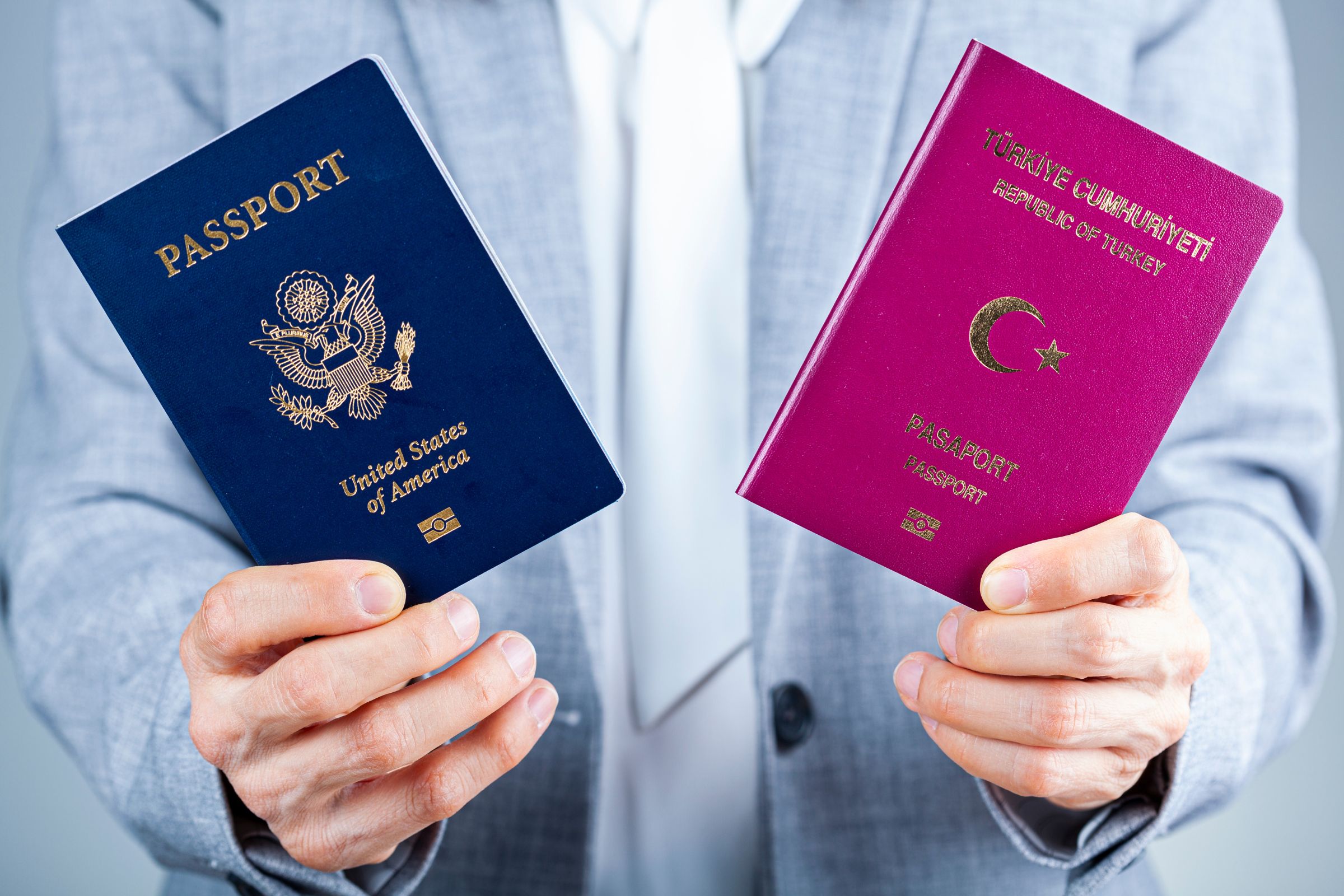
As the new year kicks off, many people are making plans for travel, work abroad,…

How to Get Your Documents Ready for Embassy Legalization
Whether you’re expanding your business overseas, studying in a foreign country, or moving abroad for personal reasons, getting your documents ready for international use is a critical part of the journey. One often misunderstood step is the embassy legalization process, which ensures your documents are officially recognized in the destination country. For anyone unfamiliar with these procedures, preparing documents for foreign embassies can be daunting—but with the right guidance, it doesn’t have to be.
What Is Embassy Legalization?
Embassy legalization is the process of authenticating documents issued in the United States so they are accepted by foreign governments. While some countries accept apostilles under the Hague Convention, others require full embassy or consular legalization. This extra step confirms the authenticity of the document through a chain of approvals, typically involving the Secretary of State and the foreign embassy in question.
If you’re dealing with countries that are not party to the Hague Convention, document legalization for embassy approval becomes essential for your documents to hold legal weight abroad.
Documents Commonly Submitted to Embassies
Depending on your purpose, various types of documents may need to go through the embassy legalization process. Common examples include:
- Birth and marriage certificates
- Educational diplomas and transcripts
- Business contracts and corporate documents
- Power of attorney or affidavits
- Medical records for international treatment
- Adoption paperwork
- Legal and immigration-related documents
All these must be properly notarized and authenticated before submission to the embassy.
Step-by-Step Guide to the Embassy Legalization Process
- Notarization – First, the document must be notarized by a licensed notary public.
- State Authentication – Next, you’ll need to obtain certification from the Secretary of State in which the document was issued.
- Federal Authentication (if required) – Some countries also require authentication by the U.S. Department of State.
- Embassy Legalization – Finally, the document is submitted to the appropriate foreign embassy or consulate for final approval.
Each embassy has different embassy document requirements, including processing times, submission formats, and fees.
Common Mistakes and Delays to Avoid
When preparing for legalizing documents for international use, it’s easy to encounter delays due to small but costly errors. Common issues include:
- Incorrect notarization
- Submitting expired or incorrect versions of documents
- Incomplete application forms for embassy submission
- Failing to allow enough processing time
By understanding each step and being aware of country-specific consular legalization services, you can prevent these pitfalls.
How Caring Hands Simplifies the Process
Caring Hands offers full-service support for anyone navigating international document authentication. We manage everything from initial notarization to embassy delivery, so you don’t have to chase signatures or stress over requirements. Whether you’re a business professional needing to authenticate contracts or a student legalizing transcripts, we ensure accuracy, speed, and compliance throughout the process.
Conclusion
The embassy legalization process is essential for ensuring your documents are accepted abroad, especially in countries that don’t accept apostilles. By preparing early, following proper steps, and seeking expert help when needed, you can ensure that your documents meet all necessary embassy document requirements and avoid costly delays. At Caring Hands, we’re here to make your document legalization for the embassy fast, reliable, and stress-free.
Related Posts